

Many people only realize after decoration that the result falls far short of their imagined aesthetic, largely due to cluttered color coordination. Today, we summarize 4 key points of color matching to help home colors play a greater role and enhance the spatial aesthetics.
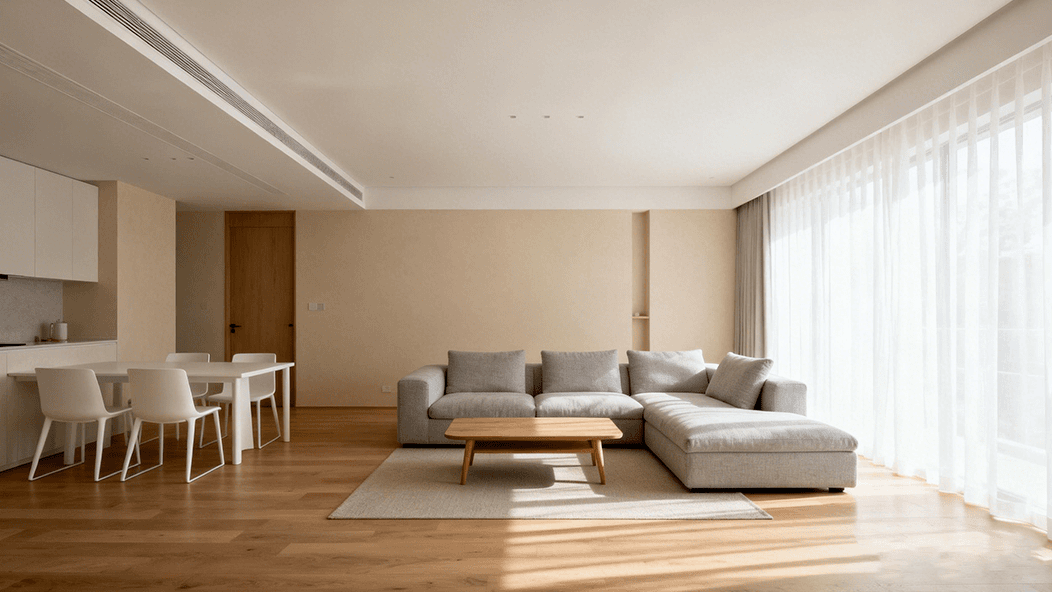
1. The angle of light projection affects the brightness of home colors
Before decorating, consider your home's color scheme, but don't overlook the angle of lighting, as differences in illuminated surfaces can change the room's atmosphere.
Where light hits, the brightness of room colors increases significantly, meaning the illuminated surface gives a distinct sense of spatial expansion. For example, if a pendant light or ceiling light illuminates the entire room, the space feels cozy. Lighting only the walls and floor gives the space a stable feel. For rooms with low ceilings and small areas, lighting the ceiling and walls can create a sense of height and width.
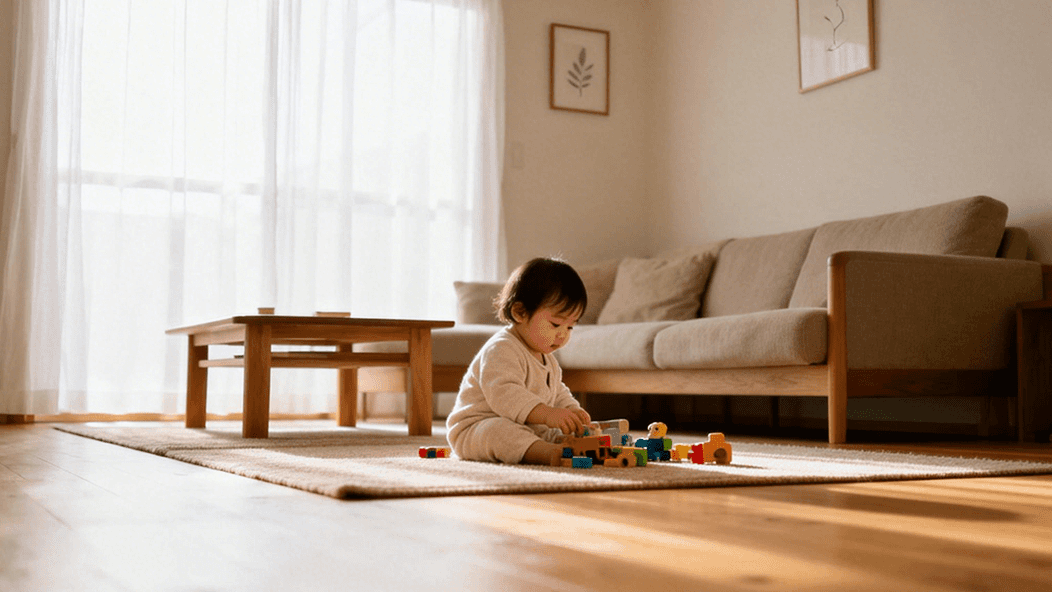
2. Choose different soft furnishing materials to alter color temperature
Soft furnishing materials can be temporarily divided into warm materials and cool materials. For example, materials like glass and metal give a cold feeling and are called cool materials; while fabrics and furs are considered warm materials due to their insulating properties. Wood and rattan feel relatively neutral, falling between warm and cool.
The temperature of home colors can change depending on the soft furnishing materials. For instance, with the same red color, a glass cup appears cooler than a ceramic pot. With the same green color, plush fabric appears warmer than plastic. Therefore, when styling with soft furnishings, you can choose different materials based on the texture you desire.
-
Previous
-
Next